
This post may contain affiliate links. Please read our disclosure policy.
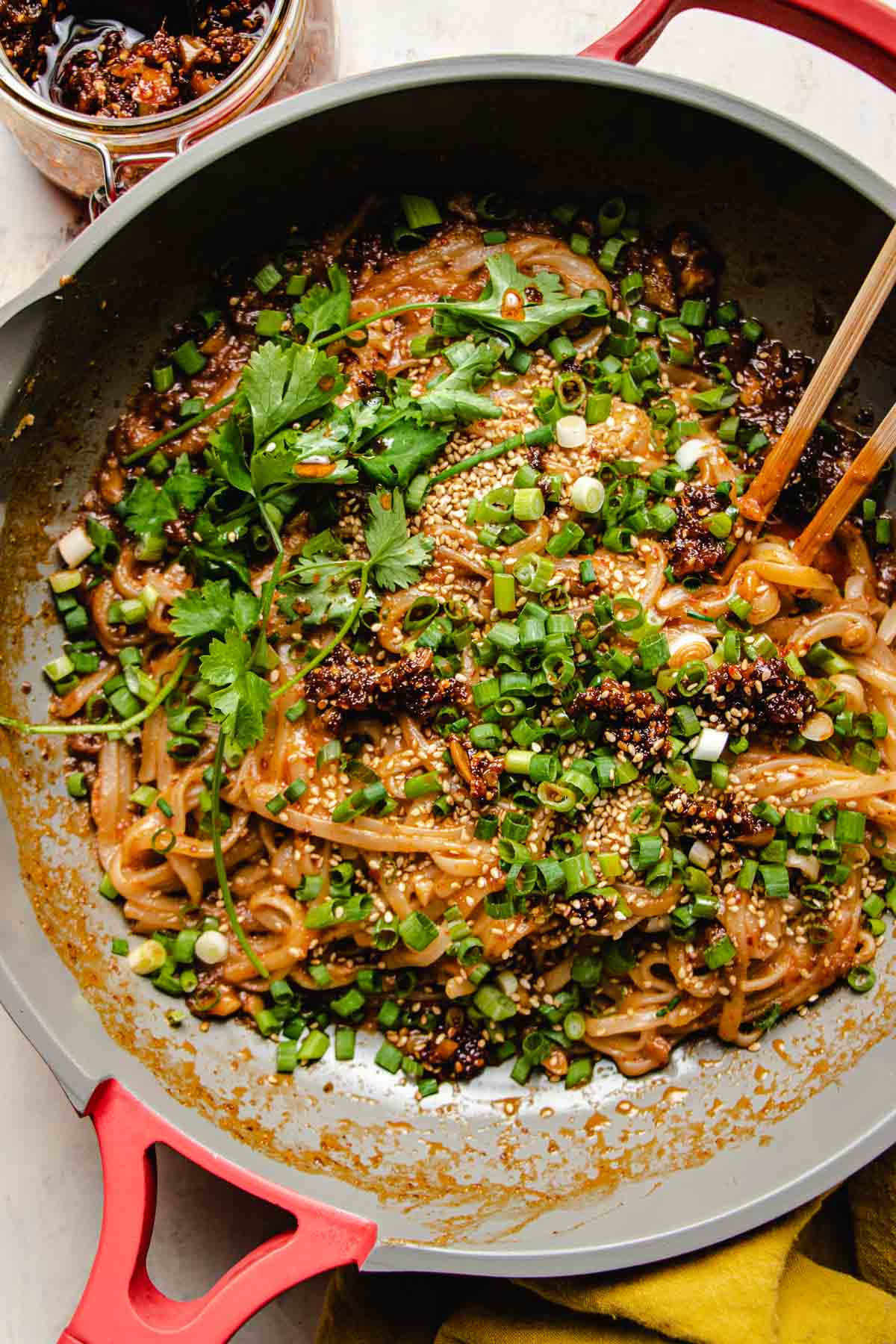
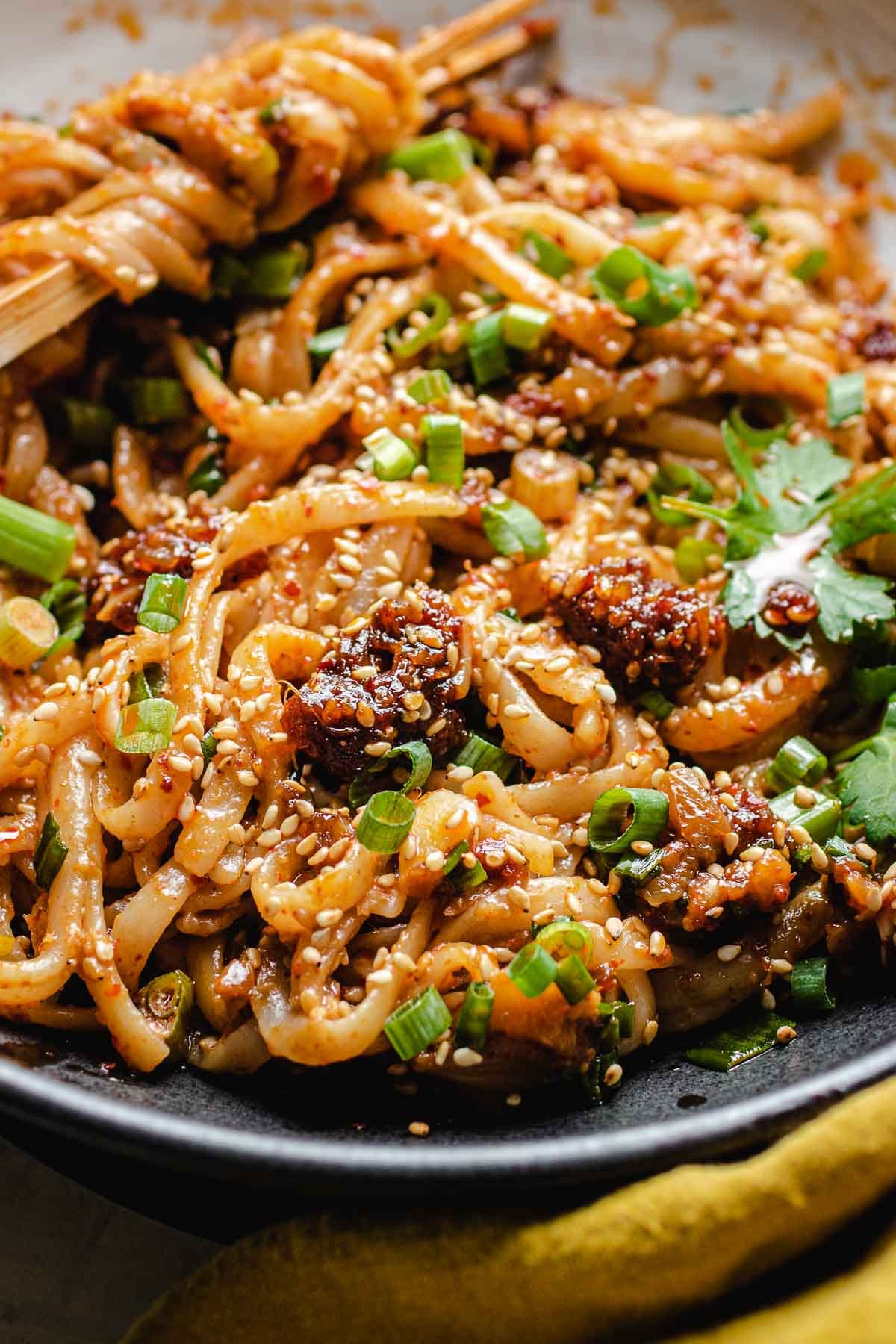
These chili garlic noodles are spicy, garlicky, savory, and ready in about 15 minutes. With 22 five-star reviews, this reader-loved recipe is all about the glossy chili garlic sauce that clings to every strand.
Unlike chili oil noodles that can feel oily, this version uses chili garlic sauce, butter, and a touch of miso or nut butter for a rounder, richer flavor. Every bite is saucy, umami, lightly nutty, and full of chili-garlic flavor.
⭐⭐⭐⭐⭐
“If I could give it 100 stars I would!
I make this often and my friends always request it. Love love love “ – Steph
What makes these chili garlic noodles different

In my family, chili garlic noodles are never just about heat. The flavor should be spicy, savory, a little sweet, and well-rounded — the way I grew up enjoying many Taiwanese-style spicy dishes, especially when made with my smoky, savory homemade chili garlic sauce.
- Cooked sauce, not just poured oil: The garlic, butter, chili garlic sauce, soy sauce, and miso or nut butter come together in the pan first, so the flavor tastes more rounded.
- Glossy, not greasy: A splash of noodle water helps the sauce loosen and coat the noodles instead of sitting at the bottom of the pan.
- More depth: Miso paste adds savory umami. Peanut butter or almond butter makes the sauce a little creamier and nuttier.
- Better cling: The sauce grabs onto the noodles, so every bite tastes spicy, garlicky, savory, and balanced.
Ingredients
Here are the key ingredients that make these chili garlic noodles glossy, savory, and full of flavor:
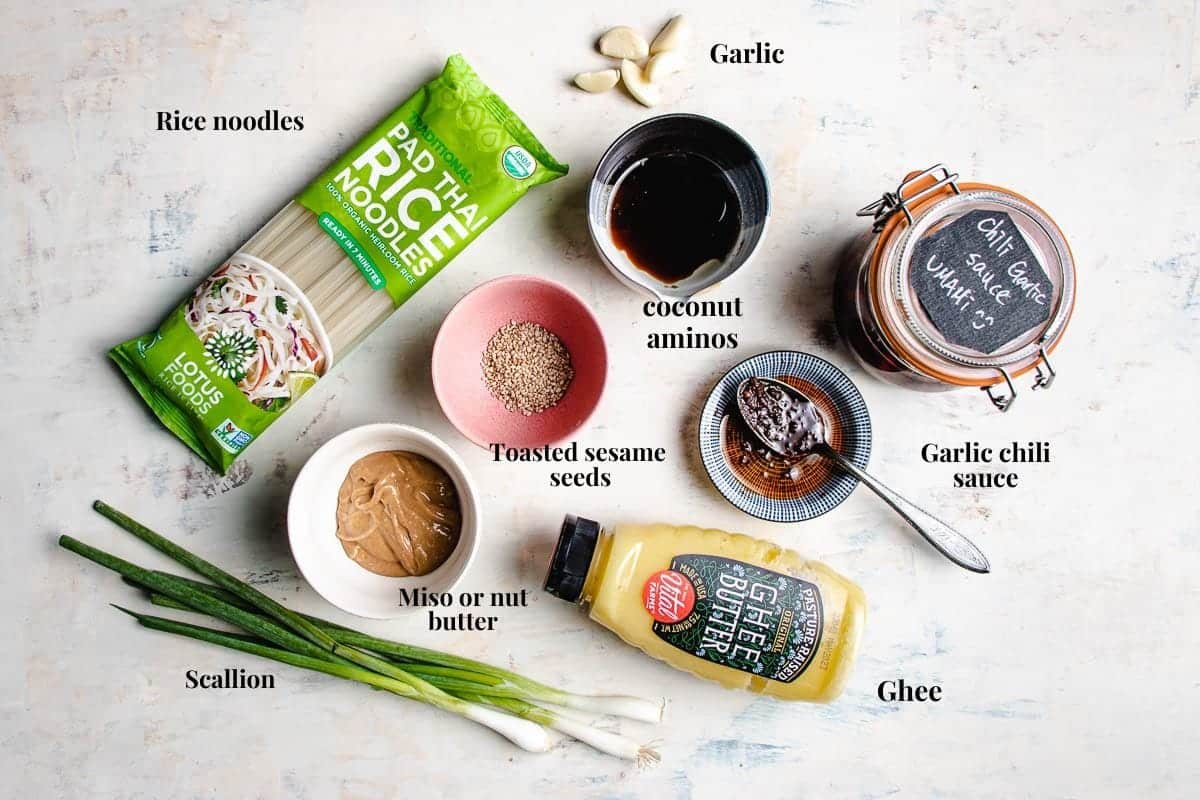
- Noodles: Thin rice noodles or thin wheat noodles work best. They cook quickly and grab the sauce well. Use rice noodles for gluten-free.
- Chili garlic sauce: This is the main flavor base. My homemade version is spicy, savory, lightly smoky, and a little sweet, so the noodles taste bold but balanced.
- Garlic: Fresh minced garlic gives the sauce that sharp, aromatic chili-garlic flavor. Keep an eye on it so it softens without browning too much.
- Butter: Adds richness and helps round out the heat. It also gives the sauce a smoother, glossier texture.
- Soy sauce: Adds the salty, savory backbone. I dilute it with a little water because the chili garlic sauce already brings plenty of salty flavor, and this keeps the sauce balanced instead of too salty.
- Miso paste, almond butter, or peanut butter: This is the little ingredient that gives the sauce more body. Miso adds savory umami, while almond butter or peanut butter makes the sauce creamier and lightly nutty.
- Scallions, sesame seeds, and cilantro: These finish the noodles with freshness, crunch, and a little herb flavor. The cilantro is optional, but I love the brightness it adds.

Tip
Best noodles to use
For the best texture, I recommend thin wheat noodles first. In Taiwanese homes, this style of noodle is often preferred because it has a nice chewy bite and does not turn mushy as quickly.
- Thin wheat noodles: My first choice for this recipe. They have a little toothiness, hold up well, and let the chili garlic sauce coat each bite evenly.
- Rice noodles: A great gluten-free option. They are lighter and a little stickier, so toss them with the sauce right after cooking.
- Avoid thick round udon noodles: Traditional Japanese udon is thick and bouncy, but it is not the best fit here. The sauce coats the outside, but the center of the noodle can taste less seasoned. Thinner noodles give you a better sauce-to-noodle balance in every bite.
For a deeper look at different Asian noodle styles, see my guide to types of Chinese noodles.
How to make chili garlic noodles
This recipe moves quickly, so have the garlic minced and sauce ingredients ready before you start. If using my homemade garlic chili sauce, make sure it’s already prepared before cooking the noodles.
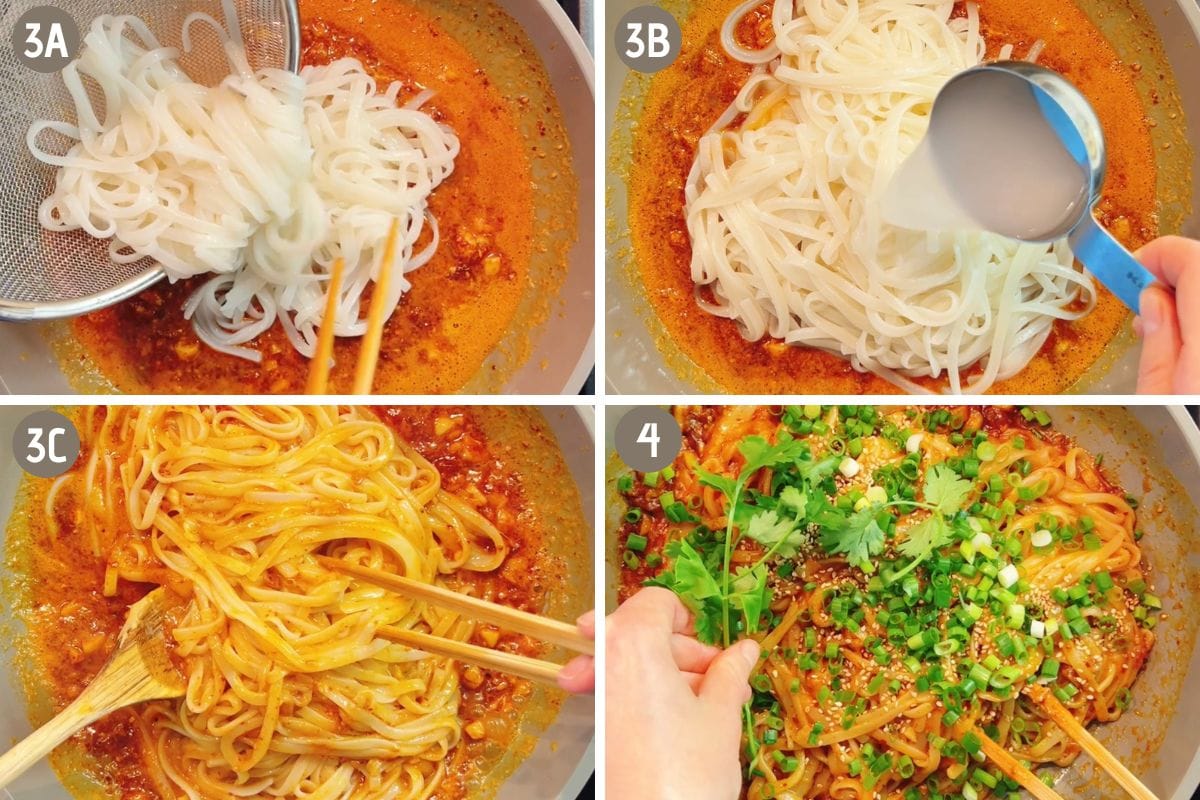
- Cook the noodles: Boil the noodles until al dente. Before draining, reserve a little noodle cooking water.
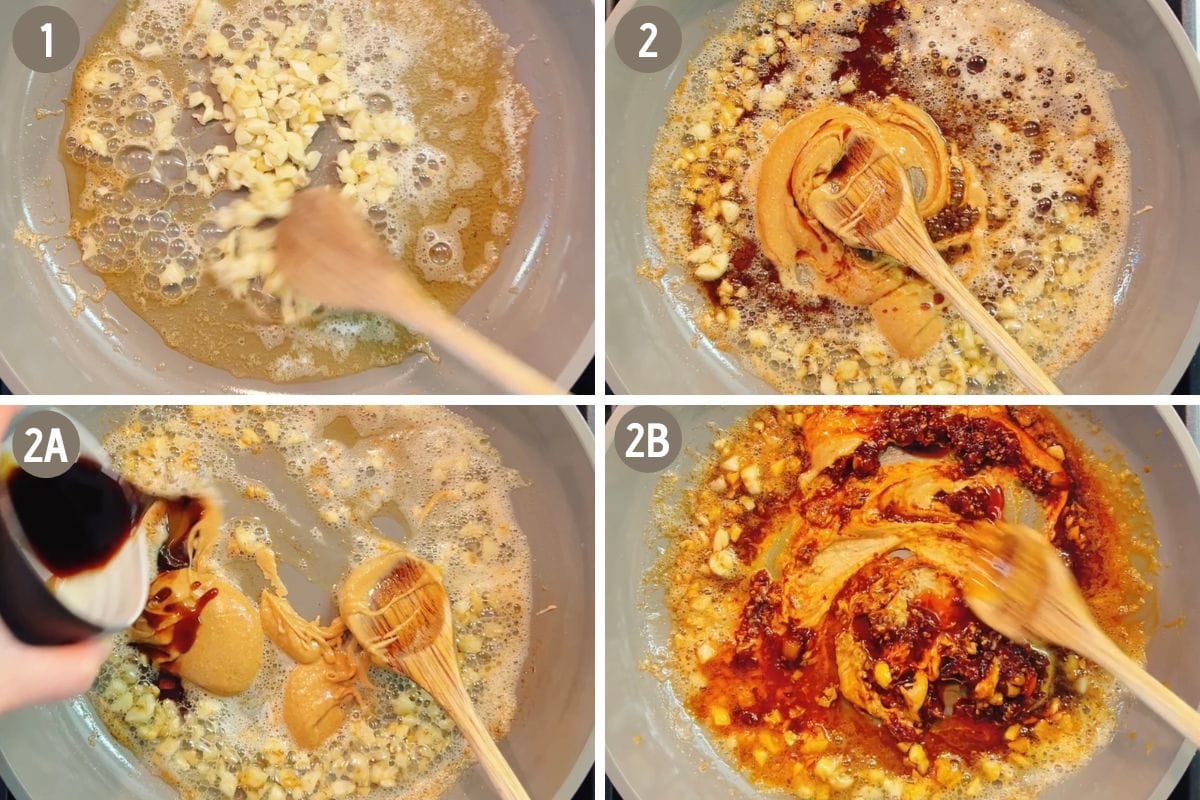
- Cook the garlic in butter: Warm the butter in a large pan and stir in the garlic just until fragrant. Keep the heat gentle so the garlic softens without burning.
- Build the sauce: Stir in the chili garlic sauce, soy sauce mixture, and miso paste or nut butter until just combined. The sauce will thicken quickly. If the noodles are not ready yet, turn off the heat so the sauce does not dry out.
- Toss until glossy: Add the noodles and a splash of noodle water. Toss over medium-high heat until the sauce loosens, coats every strand, and turns glossy. The noodles should look saucy and clingy, not dry or oily.
How to make the sauce glossy, not greasy
The key is to treat the noodle water like part of the sauce, not just extra liquid. It helps the chili garlic sauce, butter, and miso or nut butter come together so the noodles look glossy instead of oily.
- Use noodle water, not plain water: The starch from the noodles helps the sauce cling better.
- Add it a little at a time: Start with a splash, toss, then add more only if the noodles look dry.
- Toss over heat: Medium-high heat helps the sauce loosen, coat the noodles, and turn shiny.
- Don’t overcook the sauce before adding noodles: Once the miso or nut butter goes in, the sauce thickens fast. If the noodles are not ready, turn off the heat and wait.
- Finish with more chili garlic sauce, not more oil: This gives you extra heat and flavor without making the noodles heavy.
Adjust the spice level
The spice level depends a lot on the chili garlic sauce you use. My homemade chili garlic sauce is flavorful and smoky with a gentler heat, while many store-bought brands can taste much spicier and saltier.
- For mild noodles: Start with ½ tablespoon chili garlic sauce, especially if using store-bought. Toss, taste, then add more if needed.
- For medium spice: Use the full amount in the recipe if using my homemade chili garlic sauce. It gives the noodles a bold chili-garlic flavor without overpowering the sauce.
- For extra spicy noodles: Drizzle more chili garlic sauce over the finished noodles and toss again right before serving.
- If the sauce tastes too spicy: Add a little more miso paste or nut butter to round out the heat, plus a small splash of noodle water to loosen the sauce.
What to serve with chili garlic noodles
These chili garlic noodles are spicy, savory, and saucy, so I like to pair them with something fresh, crunchy, or simple on the side.
- Cool and crunchy sides: A crisp Asian cucumber salad or Taiwanese pickled daikon balances the heat and makes the meal feel lighter.
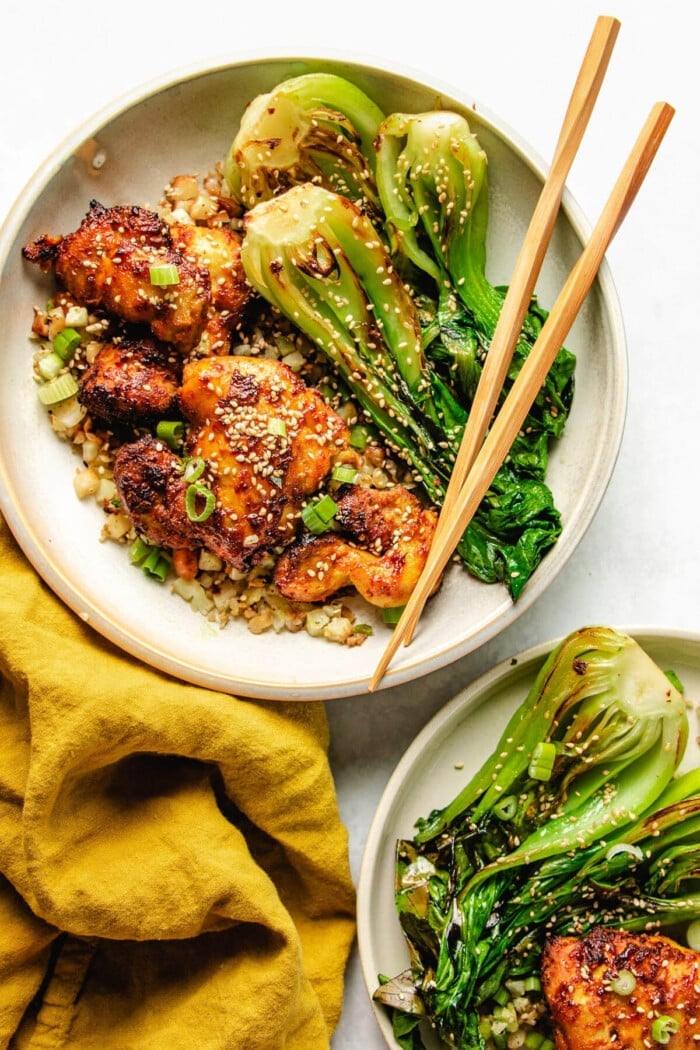
- Add protein: For a heartier dinner, serve the noodles with air fryer salt and pepper tofu or chicken made with my Taiwanese soy chicken marinade.
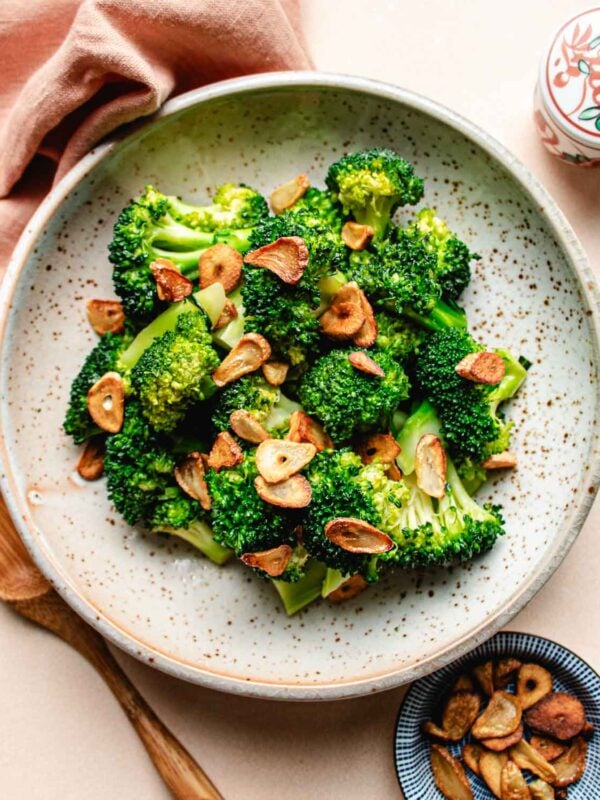
- Simple greens: A quick bok choy stir fry or stir fried yu choy sum adds something green and fresh without competing with the chili garlic sauce.
Chili garlic noodles recipe

Video
Ingredients
- 8 oz rice or wheat noodles preferably thin, round noodles
- 0.8 oz garlic finely minced, about 5 cloves
- 2 tbsp unsalted butter
- 1 tbsp soy sauce + ½ tbsp water or 2 tbsp coconut aminos
- 2 tsp sugar skip if using coconut aminos
- Small pinch coarse sea salt
- 3 tbsp chili garlic sauce plus more for serving
- 1 tbsp miso paste almond butter, or peanut butter
- 2 scallions diced
- Toasted white sesame seeds for serving
- Small handful cilantro finely chopped, optional
Instructions
- Cook the noodles. Bring a large pot of water to a boil. Cook the noodles according to the package instructions until al dente.
- Prep the sauce base. While the noodles cook, mince the garlic. In a small bowl, stir together the soy sauce, water, and sugar until the sugar dissolves. Set aside.
- Cook the garlic. In a 10- to 12-inch sauté pan, melt the butter over medium heat. Add the garlic and a small pinch of salt. Stir until fragrant and softened, about 15 seconds. Do not let the garlic brown.
- Build the chili garlic sauce. Add the chili garlic sauce, miso paste or nut butter, and the soy sauce mixture. Stir with a wooden spoon until the sauce is smooth, slightly thickened, and well combined, about 1 minute. Turn off the heat while the noodles finish cooking.
- Toss the noodles. Reserve ¼ cup of the noodle cooking water, then transfer the noodles directly into the pan with the sauce. Turn the heat to medium-high. Add the reserved noodle water and toss until the noodles are well coated and the sauce looks glossy.
- Finish and serve. Transfer the noodles to a large serving plate. Top with scallions, sesame seeds, and cilantro, if using. Drizzle with a little more chili garlic sauce, toss, and serve right away.
Notes
- Noodle water: If using Asian wheat noodles, you usually do not need to salt the boiling water because many Asian wheat noodles are already salted. Rice noodles are usually not salted, so you can lightly salt the water before boiling.
- Chili garlic sauce amount: The chili garlic sauce measurement is based on my homemade version, which is flavorful, smoky, lightly sweet, and less spicy than many store-bought chili oils or sauces. If using store-bought chili oil or sauce, the heat level can vary a lot. Start with 1 tablespoon, then add more to taste.
- Make-ahead: The homemade chili garlic sauce can be made ahead and stored in the fridge for up to 1 month.
- Storage: Store leftover noodles in an airtight container in the fridge for 2–3 days.
- Reheat: Add a splash of water before reheating to loosen the sauce and help the noodles turn glossy again.
Nutrition
Nutrition information is automatically calculated, so should only be used as an approximation.
FAQs
They are similar, but not exactly the same. Chili oil noodles are usually more oil-based, while chili garlic noodles have a thicker, garlicky sauce that clings to the noodles.
Yes. Chili crisp, chili crunch, or store-bought chili garlic sauce all work. Start with ½ tablespoon first because some brands are spicier and saltier. My favorites are Momofuku Chili Crunch and Lao Gan Ma Chili Crisp.
Yes. Use rice noodles and gluten-free tamari instead of soy sauce. Also check that your chili garlic sauce and miso paste are gluten-free.
More Chinese and Taiwanese noodle recipes
If you love saucy, flavor-packed noodles, try these next:
- Taiwanese dan dan noodles — savory, nutty, and a little spicy with a Taiwanese-style sauce.
- Scallion oil noodles — simple, aromatic, and full of scallion flavor.
- Mongolian ground beef noodles — a heartier noodle dinner with savory-sweet ground beef.
- Chili oil ramen — for a spicier noodle bowl with a chili oil finish.
Made a dish and loved it? Please rate the recipe and leave a comment in the section below! It helps my blog grow organically, allowing me to continue sharing free and awesome content with you. Thank you!








This was a great alternative for paleo version of these chinese noodles – yum!
Thank you!
Oh my goodness. WOW. This is absolutely fantastic. Better than any takeout I have ever had and so so easy!!! I made your chili garlic sauce for this and honestly I don’t think I will ever buy any from the store again. Back to these noodles….I am not an expert chef but I was so comfortable making these and the results made me so proud. This is delicious. I had all the ingredients at home and made this is very little time. My daughter asked me to save her some but I told her I make no promises! This is going to be a regular for me! The sweet/spicy/umami balance is spot on. One of the best things I have made in a long time. Thank you!
So happy to hear. Thank you so much!
My all time favorite noodle recipe! So good!
Wonderful. Thank you so much!
If I could give it 100 stars I would
I make this often and my friends always request it. Love love love
Loved this one! My only mistake was I was a bit too generous with the salt 😂 Thanks for another easy and delish recipe!
Thanks, Anusha. Appreciate it!
My favorite!!! SO good. Just struggling to keep noodles from sticking.
Any suggestions?
Make sure you don’t over boil the noodles and drain them well and immediately add them to the sauce to toss together. Rice noodles (if that’s what you are using) are going to be a little sticky. That’s just how rice noodles are. 🙂
I made this but added 2 baby bok choy, which I recommend 🙂
If I was looking for protein, I would add tofu or blackened chicken as well. So yummy!