
This post may contain affiliate links. Please read our disclosure policy.
Hot pot is one of my favorite cold-weather meals — cozy, simple, and meant to be shared. Everything cooks right at the table, and the dipping sauce is where all the flavor comes in. A good sauce brings out the best in the meat, vegetables, and tofu, and once you understand the basics, mixing your own bowl becomes easy and fun.
Below you’ll find a simple beginner’s guide, what to buy for hot pot, the Taiwanese 5 building blocks, and my top five dipping sauces. You can mix and match to fit your own taste — bold, mild, nutty, spicy, or anything in between.
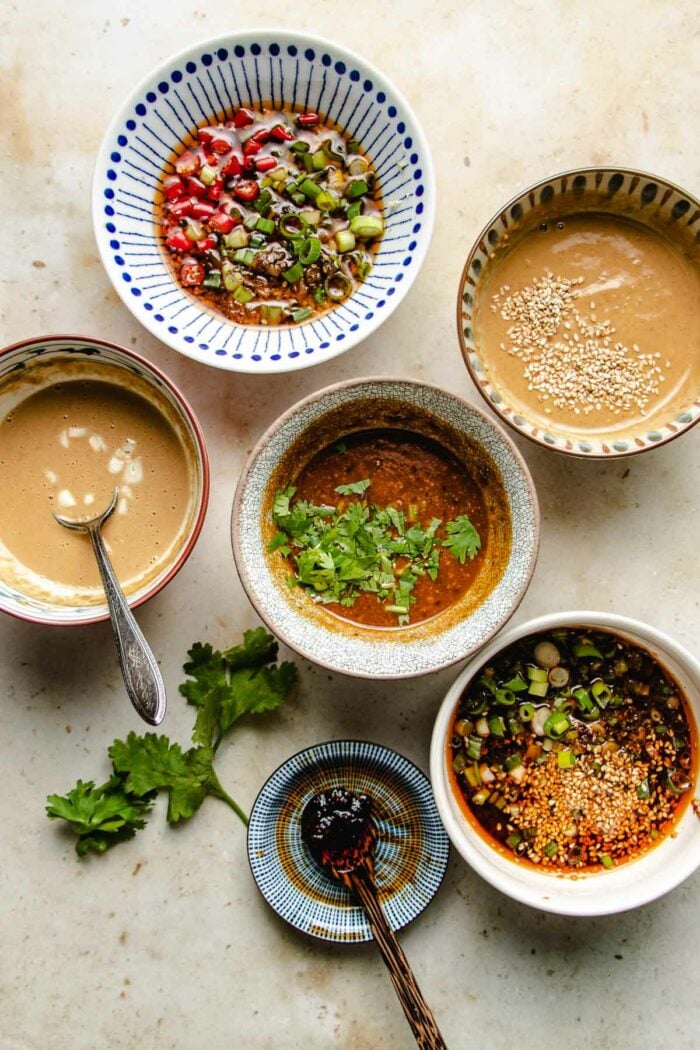
Table of Contents
- How to hot pot (Quick & Easy Beginner Guide)
- What to Buy for Hot Pot (Beginner-Friendly)
- Taiwanese 5 Building Blocks for Dipping Sauce
- Top 5 hot pot sauces (easy, no cook, and delicious)
- 1. Taiwanese shacha dipping sauce
- 2. Garlic sesame sauce
- 3. Chinese spicy garlic chili sauce
- 4. Japanese sesame miso
- 5. Spicy peanut sauce
- FAQ
- Common Beginner Hot Pot Mistakes (and Quick Fixes)
- Hot pot sauces recipe
How to hot pot (Quick & Easy Beginner Guide)
Hot pot is all about the experience, and the dipping sauce is one of the key players that make it truly special.
- Make your hot pot broth
You can use one of my homemade hot pot broth recipes – simple chicken broth, spicy kimchi broth, creamy miso broth, or a basic dashi. Keep it gently simmering on a portable stove. - Prep your ingredients (they stay uncooked)
Slice beef, pork, chicken, or lamb very thin so they cook in seconds. Prep mushrooms, napa cabbage, bok choy, tofu, seafood, and noodles. Arrange everything around the pot — still raw — so people can cook what they want as they eat. - Build your dipping bowl
Everyone gets a small personal bowl. Choose one sauce (or mix a few) and add garlic, scallions, cilantro, or chili for more flavor. - Cook, dip, and enjoy
Add only a few items to the broth at a time. Start with ingredients that take longer — mushrooms, tofu, napa cabbage stems, frozen fish balls. Thinly sliced meat and leafy greens cook almost instantly. Dip each piece into your sauce and enjoy while warm. - Optional: Set up a simple “sauce bar”
Set out garlic, scallions, cilantro, chili oil, soy sauce, vinegar, sesame paste, and shacha sauce so everyone can make their own bowl.
What to Buy for Hot Pot (Beginner-Friendly)
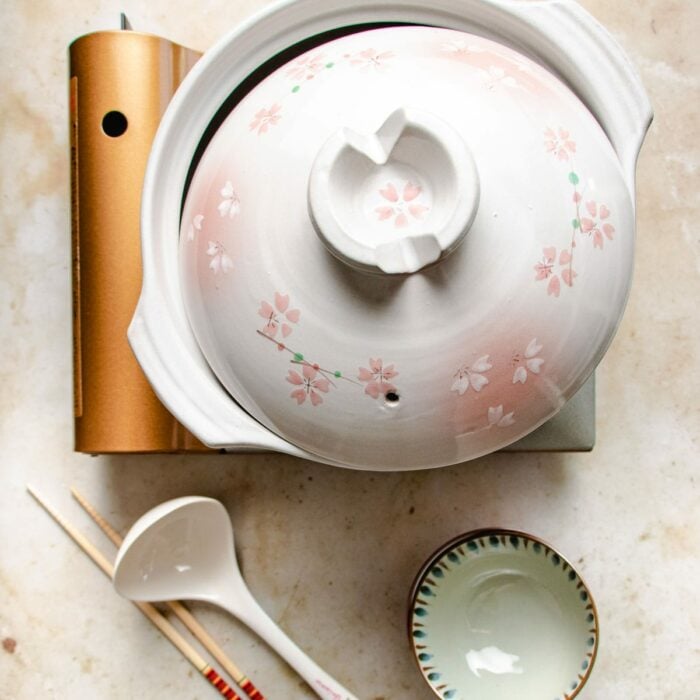
- Portable tabletop stove: A small butane burner works great for keeping the broth simmering at the table.
- A wide pot: Use a regular wide pot, a donabe (Japanese claypot), or a divided hot pot if you want two broths.
- Thinly sliced meat: Look for pre-sliced beef, pork, chicken, or lamb at Asian grocery stores. They cook in seconds and taste more tender.
- Vegetables: Napa cabbage, bok choy, mushrooms, spinach, or any leafy greens you like.
- Tofu + fish or seafood meatballs: These soak up the broth and add variety to the meal.
- Noodles: Udon, rice noodles, glass noodles — anything that cooks quickly.
- Dipping sauce basics: Soy sauce, rice vinegar, sesame paste, and my homemade shacha sauce (or store-bought) are the essentials for most Taiwanese-style dips.
This simple list covers everything you need to host your first hot pot at home.
Taiwanese 5 Building Blocks for Dipping Sauce
These are the five components I grew up using in Taiwan. You don’t need something from every category — start with a base, then add what you like.
- The Base (must-have)
This is the foundation of your sauce. You’ll want something salty, something tangy, and one richer element to pull everything together. Soy sauce gives you saltiness, rice vinegar or black vinegar adds brightness, and Chinese sesame paste or my homemade shacha sauce (or store-bought) brings depth. Most Taiwanese-style sauces start with a combination of these. - Aromatics (add based on your taste)
Fresh garlic, scallions, and cilantro brighten the sauce and make each bite more flavorful. Add a little or a lot depending on how bold you like your dip. - Heat (optional)
A spoonful of chili garlic sauce, red pepper flakes, or fresh chopped chili adds a gentle kick. This is completely optional, but a touch of heat pairs really well with fattier meats and mushrooms. - Texture Boosters (nice to have)
Toasted sesame seeds, crushed peanuts, and fried shallots add crunch and extra nuttiness. These aren’t required, but they make the sauce taste fuller and more satisfying. - Fresh Toppings (optional but refreshing)
Scallions, cilantro, or grated daikon help balance richer sauces, especially ones made with sesame paste or shacha. They add a clean, fresh finish.
Top 5 hot pot sauces (easy, no cook, and delicious)
Below are my five go-to hot pot dipping sauces that bring together Taiwanese, Chinese, and Japanese flavors. Each one has its own taste profile, suggested pairings, and a few optional add-ins so you can customize them to your liking.
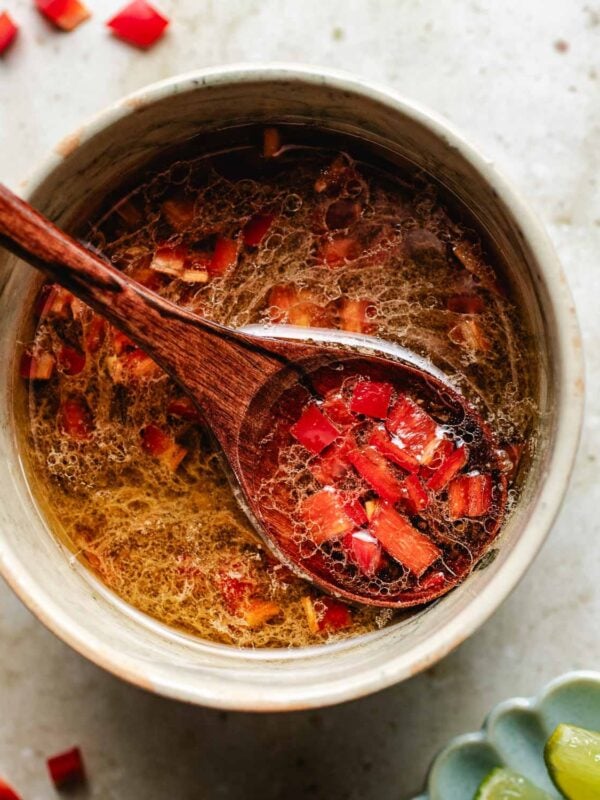
1. Taiwanese shacha dipping sauce
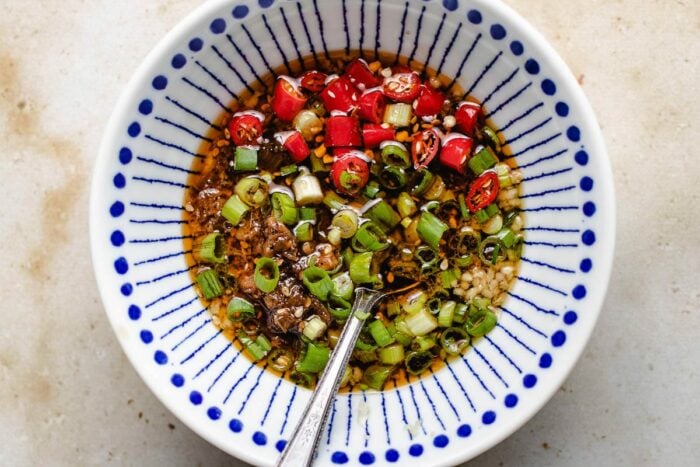
- Flavor: Savory, smoky, a little seafood-y, and packed with deep umami.
- Pairs well with: Beef, lamb, mushrooms, tofu, shrimp, cabbage.
- Core base: Sha cha sauce, soy sauce or coconut aminos, splash of vinegar.
- Optional: Garlic, scallions, sesame oil, chili.
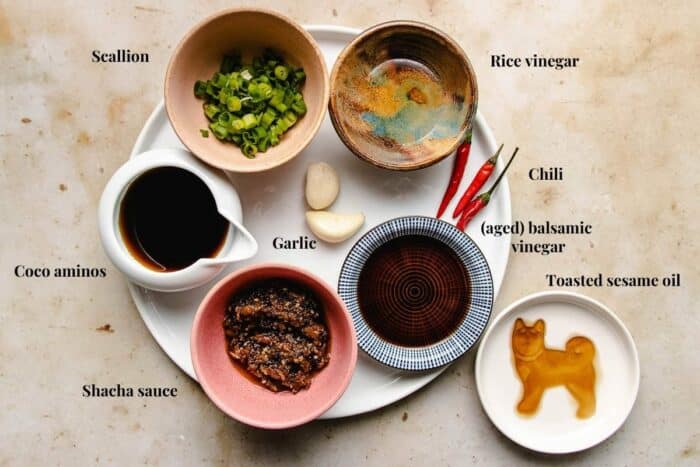
Shacha is Taiwan’s signature hot pot sauce — deep, complex, and always the first one people reach for. Think of it as a Taiwanese take on Malaysian satay sauce. There’s also a vegetarian version available for people who can’t have shellfish.
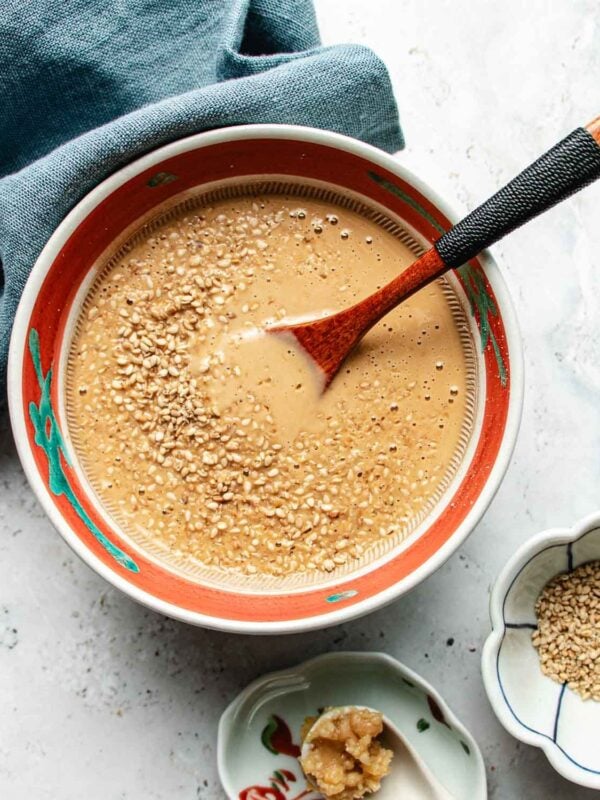
2. Garlic sesame sauce
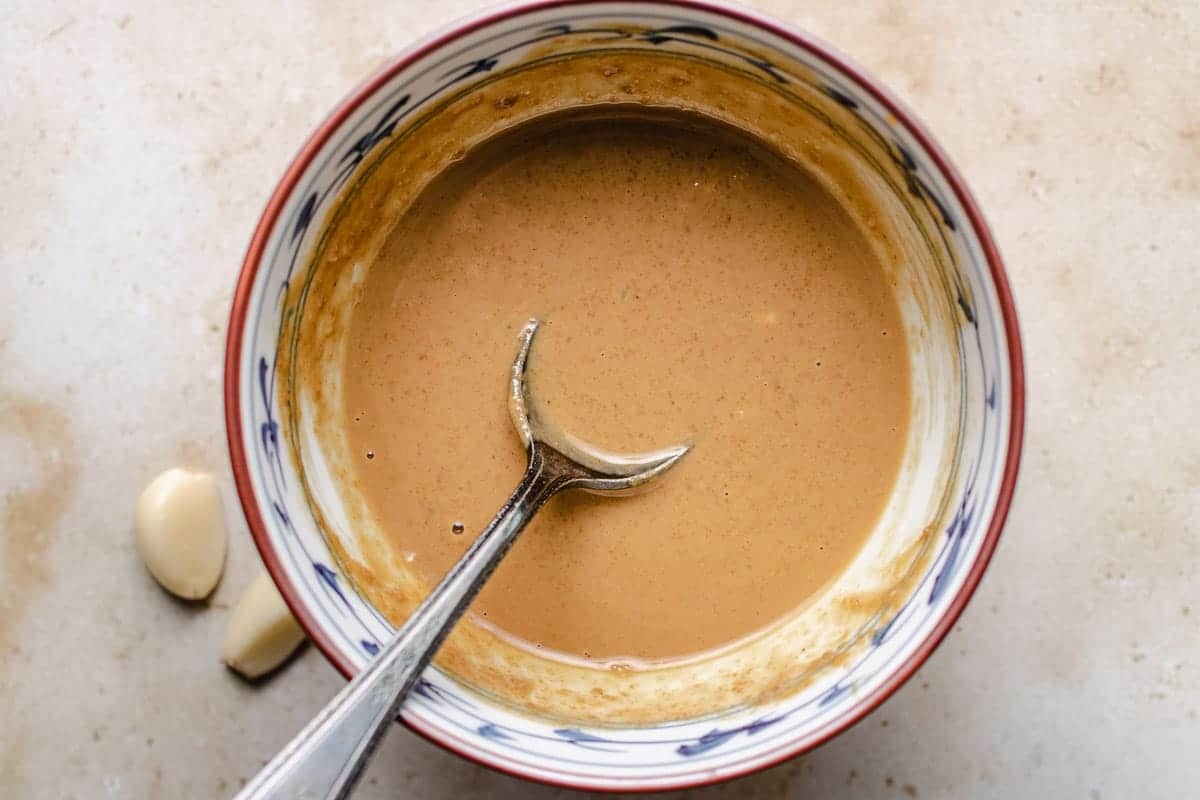
- Flavor: Creamy, nutty, garlicky, and lightly savory.
- Pairs well with: Chicken, pork, seafood, mushrooms, leafy greens.
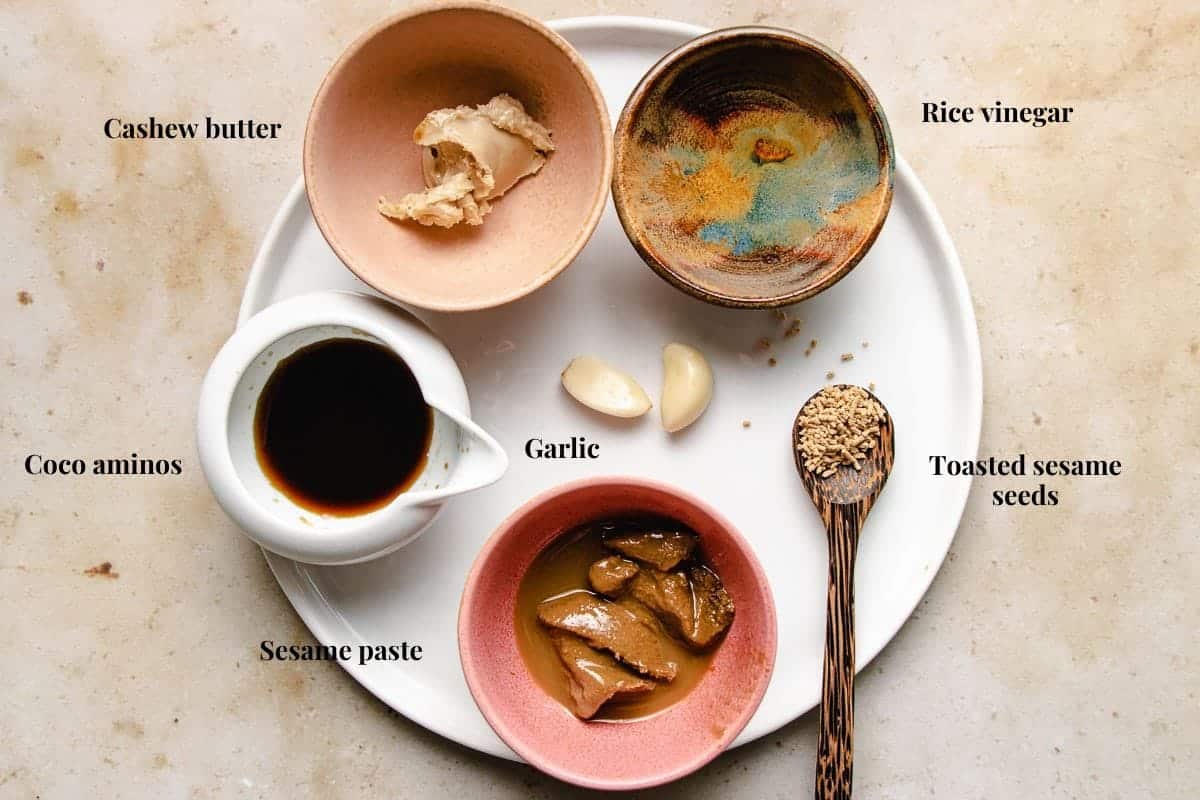
- Core base: Sesame paste or tahini, cashew butter, coconut aminos (or soy sauce), rice vinegar.
- Optional: Garlic, mushroom seasoning, sesame oil, scallions, chili crisp.
Tip: Try this sauce with my chicken meatball hot pot.
3. Chinese spicy garlic chili sauce
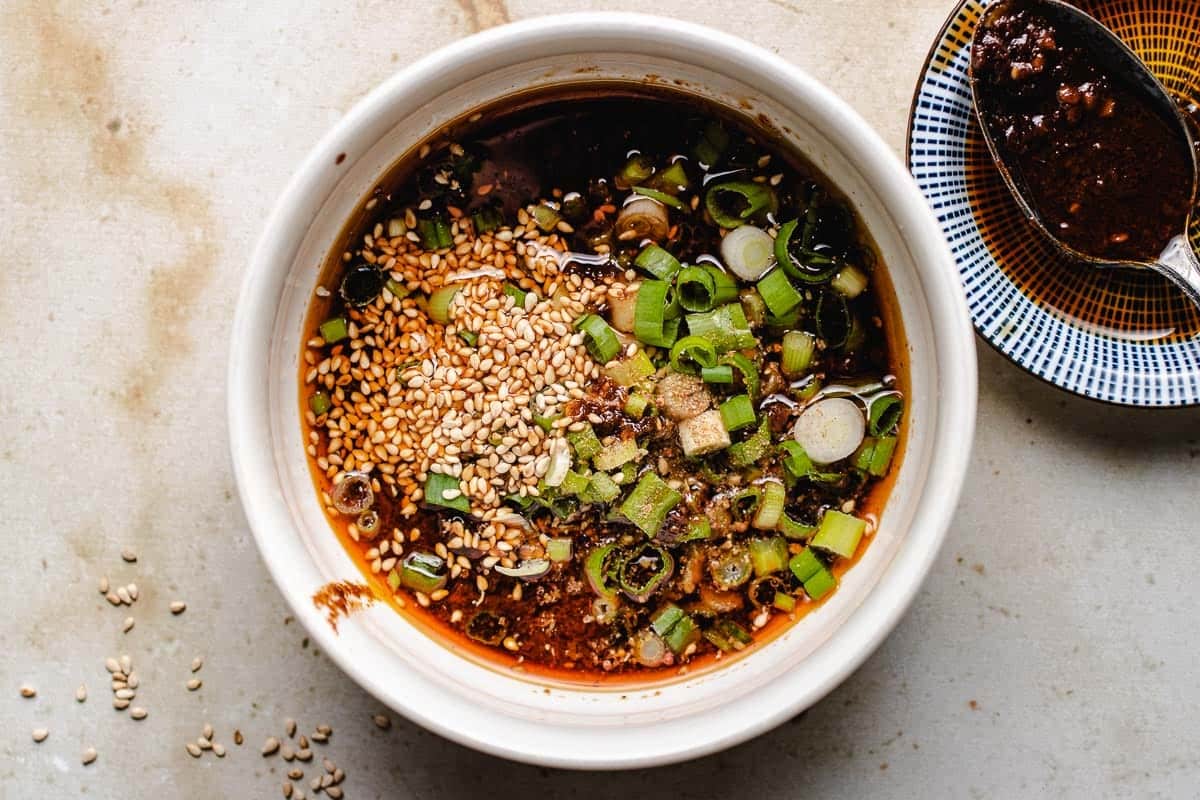
- Flavor: Spicy, tangy, savory, with a bold chili-garlic punch.
- Pairs well with: Beef, lamb, tofu, napa cabbage, mushrooms, noodles.
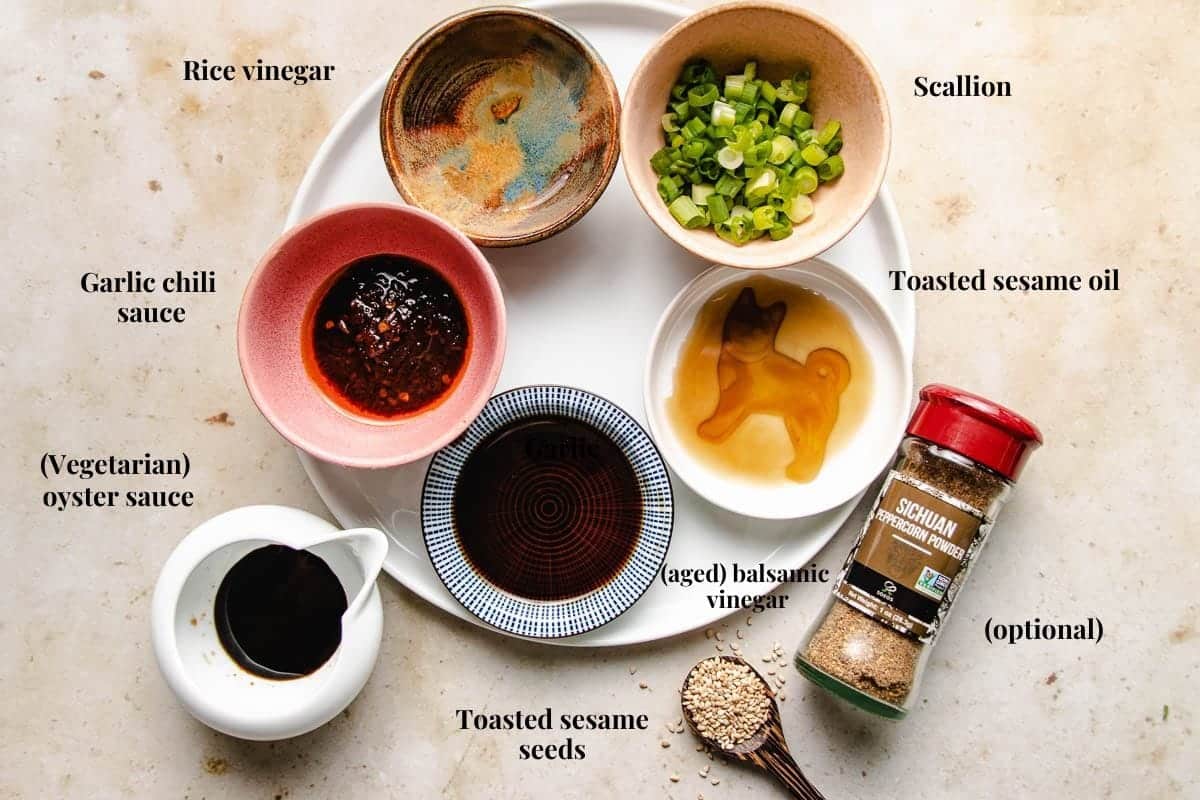
- Core base ingredients: Chili garlic sauce, vinegar (black vinegar or balsamic), and toasted sesame oil. This gives the sauce heat, acidity, and a deep chili aroma.
- Optional add-ons: Scallions, sesame seeds, Sichuan peppercorn, or a small spoon of vegetarian oyster sauce.
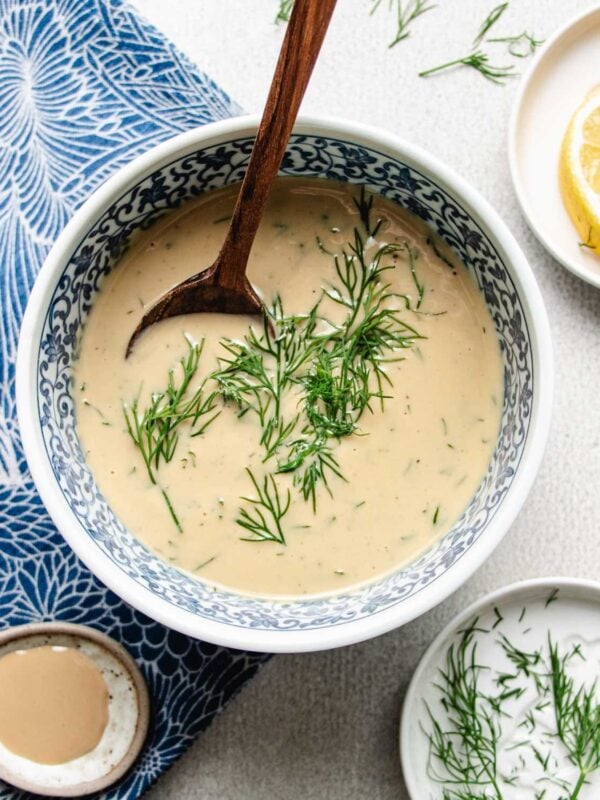
4. Japanese sesame miso
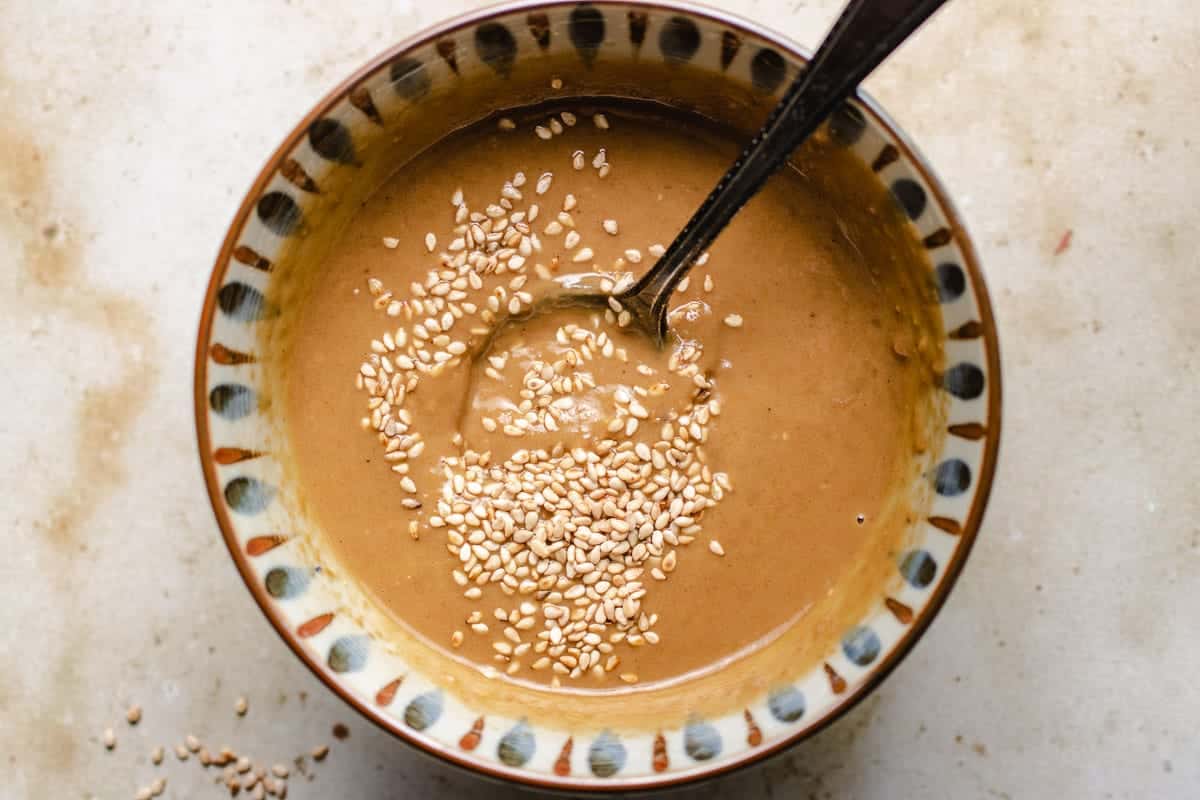
- Flavor: Creamy, nutty, slightly sweet, and full of umami from miso.
- Pairs well with: Pork, shrimp, tofu, mushrooms, spinach, mild greens.
- Core base ingredients: White, yellow, or chickpea miso, sesame paste or tahini, coconut aminos or soy sauce, and rice vinegar. This combination gives you that classic shabu-shabu flavor — smooth, comforting, and balanced.
- Optional add-ons: Sesame seeds, a splash of water to thin, chili oil, or chopped scallions.
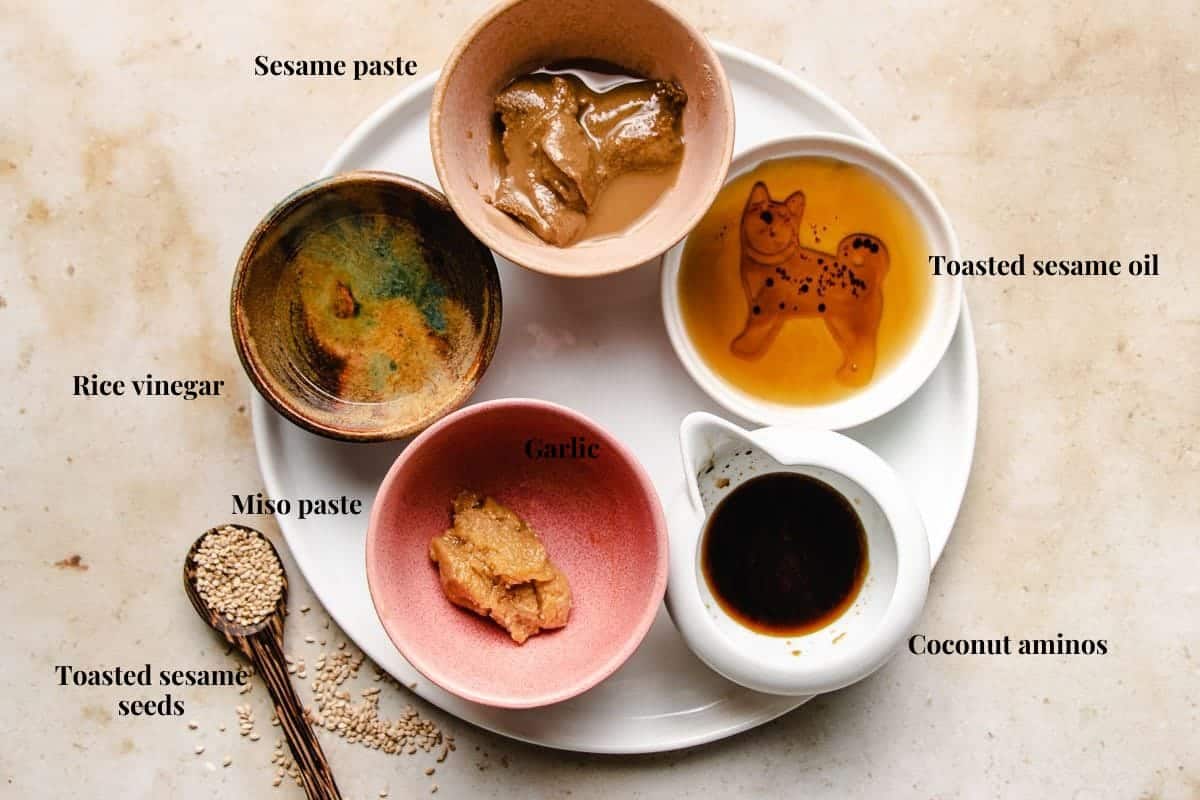
Tip: Try this sauce with my Vegan hot pot. The sesame miso pairs well with the creamy miso broth.
5. Spicy peanut sauce
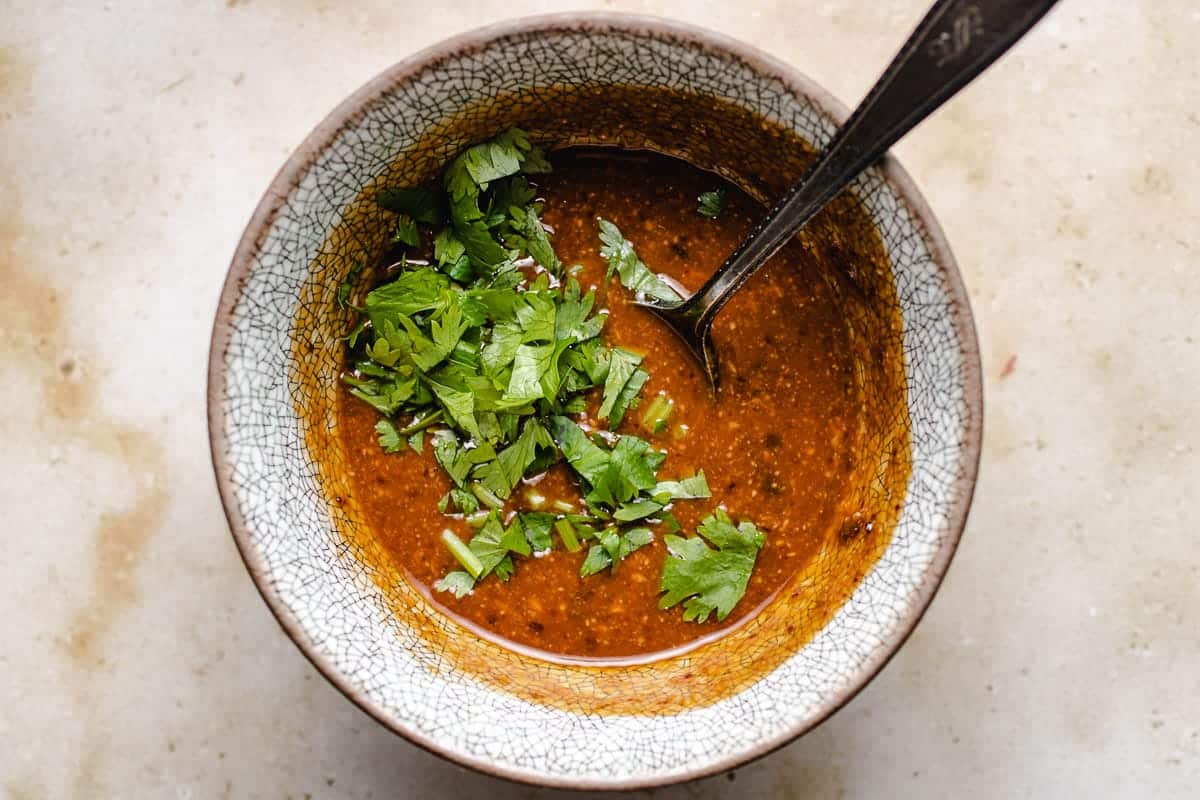
- Flavor: Nutty, savory, lightly spicy, and a little tangy.
- Pairs well with: Chicken, noodles, tofu, mushrooms, cabbage.
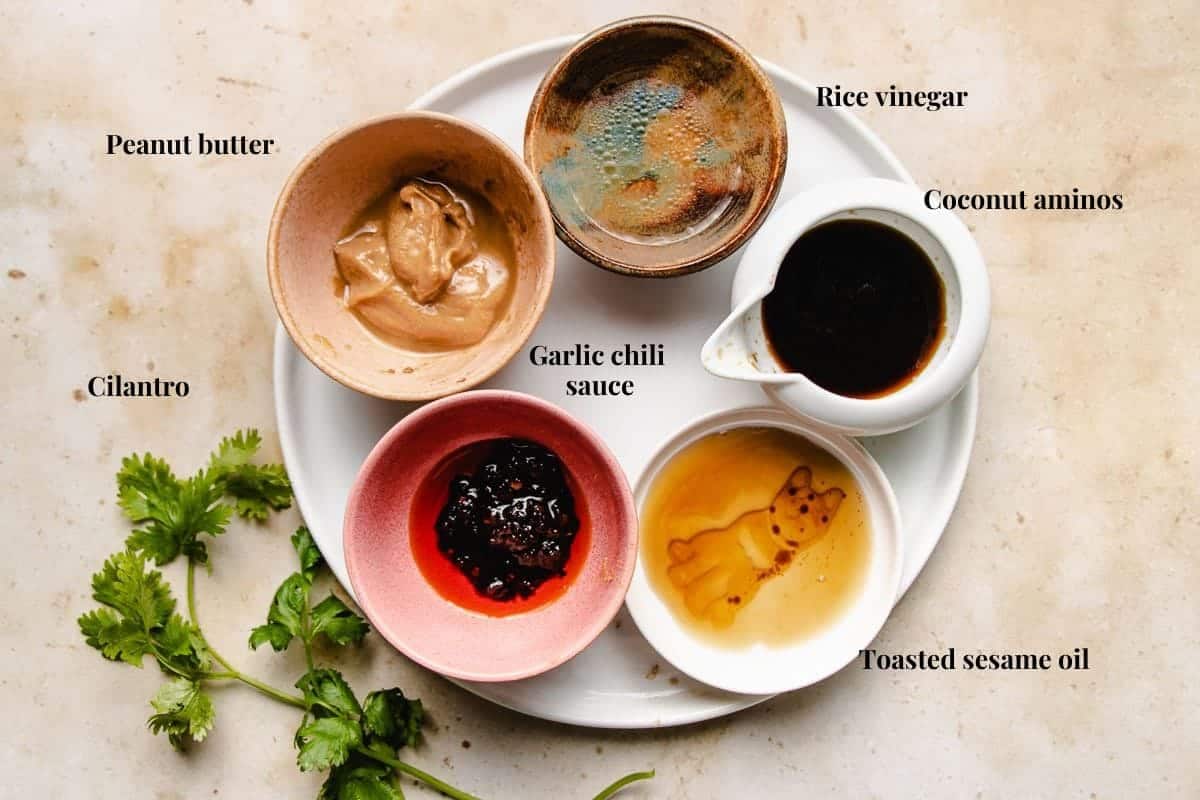
- Core base ingredients: Peanut butter, soy sauce, toasted sesame oil, rice vinegar, and water. These make a creamy dan-dan-style dip that works with almost everything.
- Optional add-ons: Garlic chili sauce, cilantro, sesame seeds, or a little extra vinegar if you want more brightness.
FAQ
I don’t recommend mixing the sauces ahead. Hot pot dips are meant to be adjusted at the table based on how salty, nutty, tangy, or spicy you like them. You can prep the components — chop the aromatics and set out the base ingredients — then let everyone mix their own bowl when it’s time to eat.
Common Beginner Hot Pot Mistakes (and Quick Fixes)
Here are a few beginner mistakes I see all the time — plus quick ways to avoid them.
- Using a broth that’s too plain: A good broth makes a huge difference. Use a good brand of chicken broth or even bone broth, add dashi powder or chicken bouillon, miso paste, or even kimchi to flavor the broth base.
- Cooking everything at once: Add only a few ingredients at a time so they don’t overcook or turn mushy.
- Slicing the meat too thick: Thin slices cook in seconds and stay tender. (Think paper-thin slices shabu-shabu style).
- Mixing sauces ahead of time: Build your dipping bowl at the table so you can adjust it to your taste.
Hot pot sauces recipe
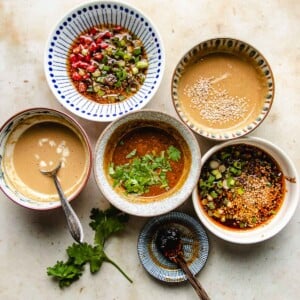
Ingredients
Taiwanese Shacha Hotpot Sauce
- 0.5 oz garlic clove crushed or grated
- 2 tbsp shacha sauce use 1.5 tbsp if store-bought
- 0.5 tbsp soy sauce or 1 tbsp coconut aminos
- 1-2 tsp sugar
- 0.5 tbsp rice vinegar
- 0.5 tbsp aged balsamic vinegar
- 1 scallion chopped
- 1 tsp toasted sesame oil
- 2 tsp chopped Thai red chili peppers optional
Garlic Sesame Sauce
- 2 tbsp Chinese sesame paste or 1.5 tbsp tahini
- 1 tbsp cashew butter
- 0.5 tbsp soy sauce or 1 tbsp coconut aminos
- 1-2 tsp sugar
- 1 tbsp rice vinegar
- 0.3 oz garlic clove crushed or grated
- 1/4 tsp Shiitake mushroom seasoning optional
- 1-2 tbsp water or more for a thinner sauce
Chinese Spicy Chili Garlic Hotpot Sauce
- 2 tbsp chili garlic sauce or your preferred store-bought version
- 1 tbsp aged balsamic vinegar or Chinese black vinegar
- 1 tsp toasted sesame oil
- 0.5 tbsp rice vinegar
- 1 scallion chopped
- 1 tsp toasted white sesame seeds
- 1/4 tsp Sichuan peppercorn powder optional
- 1 tbsp vegetarian oyster sauce or store-bought, optional
Japanese sesame miso sauce
- 1 tbsp white miso paste or chickpea miso
- 0.5 tbsp toasted sesame oil
- 1 tbsp rice vinegar
- 2 tbsp Chinese sesame paste or 1.5 tbsp tahini
- 0.5 tbsp soy sauce or 1 tbsp coconut aminos
- 1-2 tsp sugar
- 1 tsp toasted white sesame seeds
- 2-2.5 tbsp water or more to thin the sauce
Spicy “peanut” sauce
- 2 tbsp unsalted peanut butter or almond butter
- 1 tbsp soy sauce or 2 tbsp coconut aminos
- 2 tsp sugar
- 0.5 tbsp toasted sesame oil
- 1 tbsp rice vinegar
- 2 tbsp water or more to thin the sauce
- 1 tbsp garlic chili sauce optional, or your preferred store-bought version
- 2 tsp chopping cilantro optional
Instructions
- Each sauce recipe serves one person. Choose one or more sauces below, and multiply the quantities by the number of people you’re making that sauce for.
Taiwanese Shacha Hotpot Sauce
- In a small bowl, stir together the shacha sauce, soy sauce, sugar, rice vinegar, aged balsamic vinegar, and sesame oil. If using sugar, stir until dissolved.
- Mix in the garlic, chopped scallion, and optional Thai chili peppers. Stir well before serving.
Garlic Sesame Sauce
- In a small bowl, stir together the sesame paste (or tahini), cashew butter, soy sauce, sugar, and rice vinegar.
- Gradually stir in 1 tablespoon of water until smooth. Mix in the garlic and optional mushroom seasoning.
- Add the remaining tablespoon of water, a little at a time, until the sauce reaches your preferred dipping consistency. Add more water if needed.
Chinese Spicy Chili Garlic Hotpot Sauce
- In a small bowl, stir together the chili garlic sauce, aged balsamic vinegar (or Chinese black vinegar), sesame oil, and rice vinegar.
- Mix in the chopped scallion and sesame seeds. Stir in the Sichuan peppercorn powder and vegetarian oyster sauce, if using.
Japanese Sesame Miso Sauce
- In a small bowl, stir together the miso, sesame paste (or tahini), sesame oil, rice vinegar, soy sauce, and sugar.
- Gradually stir in 2 tablespoons of water until smooth, pressing out any lumps of miso with the back of a spoon.
- Stir in the sesame seeds. Add the remaining ½ tablespoon of water, or more as needed, until the sauce reaches your preferred dipping consistency.
Spicy Peanut Sauce
- In a small bowl, stir together the peanut butter (or almond butter), soy sauce, sugar, sesame oil, and rice vinegar.
- Gradually stir in 2 tablespoons of water until smooth. Add more water, a little at a time, if you prefer a thinner sauce.
- Mix in the optional chili garlic sauce and chopped cilantro.
Notes
- Serving size: Each sauce recipe serves one person. Multiply the quantities by the number of people you’re making that sauce for.
- Chinese sesame paste: If unavailable, use the tahini amount listed in the individual sauce recipe.
- Shacha sauce: For a quicker option, use store-bought shacha sauce. Use 1½ tablespoons instead of 2 tablespoons homemade.
- Aged balsamic vinegar: It has a sweeter taste and thicker consistency than regular balsamic. If substituting regular balsamic, start with less and adjust to taste.
- Miso paste: For a soy-free sesame miso sauce, choose soy-free chickpea miso and coconut aminos instead of soy sauce. Check the other ingredient labels, too.
- Make-ahead and leftovers: Prep the chopped aromatics ahead and refrigerate them separately until serving. Each sauce recipe makes one personal dipping bowl to enjoy during the meal. Discard any sauce left in bowls that have been used for dipping. Keep unused ingredients separate, and store them as you normally would.
Nutrition
Nutrition information is automatically calculated, so should only be used as an approximation.
Made a dish and loved it? Please rate the recipe and leave a comment in the section below! It helps my blog grow organically, allowing me to continue sharing free and awesome content with you. Thank you!








We tried the Taiwanese shacha and the spicy chili garlic hot pot sauces this past weekend and they were a huge hit with the family. They are great dipping sauces for not only meat but also tofu and vegetables. They add so much flavor to the shabu shabu style light dishes. Next time, we will try the Japanese version.
We made the Japanese miso and the spicy peanut sauces to go with the homemade hot pot this past week and they are both fantastic! Easy to assemble and full of delicious flavors. They pair well with not only meat but also tofu and veggies, Can’t wait to try the other 3 next time!
Thank you for putting together all these flavors for hot pot! My family loves hotpot so we are hoisting it at our home this year. I tested some the other day – the Taiwanese Shacha and Japanese miso and both of them are delicious! I’ll make all 5 for the family gathering so everyone and pick-and-choose!
That’s wonderful. So happy to hear!
I made this for my mom last night to go with the vegan hot pot that Chihyu has on her site. It was FABULOUS! I didn’t get to try all 5 hot pot sauces – we made the Japanese version and the Chinese spicy dipping sauce version. They are so good and my mom enjoyed the dish so much. It reminds us of Japan just like what you get in restaurants! I can’t wait to make more of them this winter. It’ll be perfect!
Thank you! So happy to hear
My kid is allergic to peanuts but she loves hot pot! This recipe post is perfect thanks so much! Now we have more choices for our at-home hotpot or shabu!
That’s great. I’m so happy to hear!