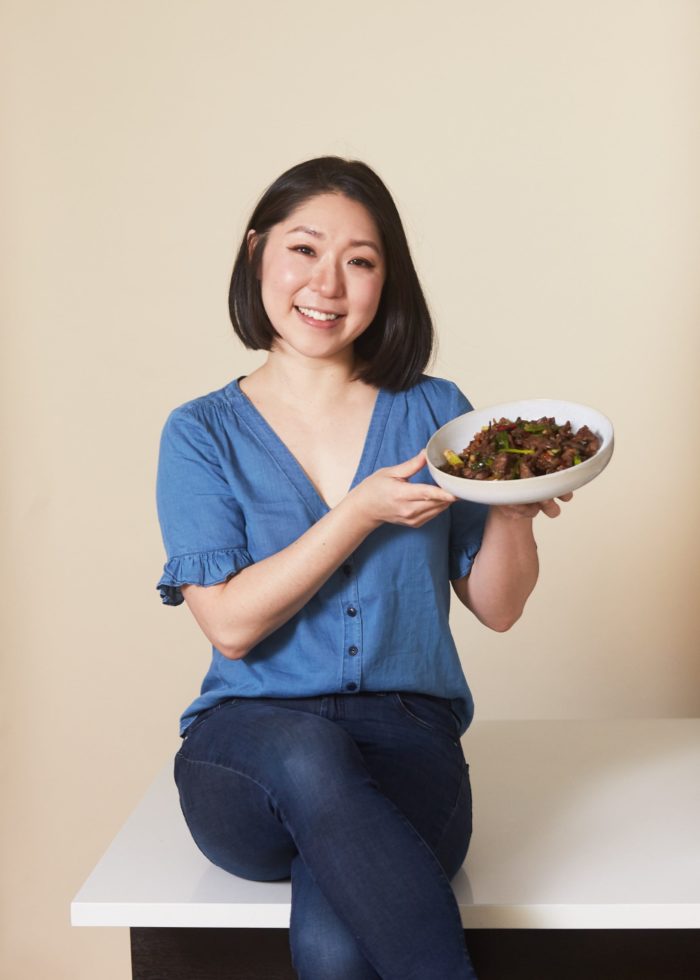
I’m ChihYu (chee-yu), the founder and recipe developer behind I Heart Umami and the author of Asian Paleo. You may also know me as ChihYu Smith, the name I used when I started the blog and published my cookbook.
I was born and raised in Taiwan, with family roots in northern and southern China. I share Taiwanese, Chinese, and other Asian recipes, drawing on the food I grew up eating and years of cooking in my own kitchen.

How I learned to cook
Growing up, I helped wash vegetables, wrap dumplings, and roll dough in my grandmother’s and mother’s kitchens. Their cooking taught me to appreciate both flavor and texture—crisp vegetables, silky sauces, and tender meat.
I started cooking full meals when I moved to the U.S. for graduate school. Eating out was expensive, and I missed the variety and familiar flavors of Taiwan.
Using Taiwanese cookbooks, cooking shows, and plenty of practice, I learned to make the meals I wanted with ingredients I could find.
What practice taught me
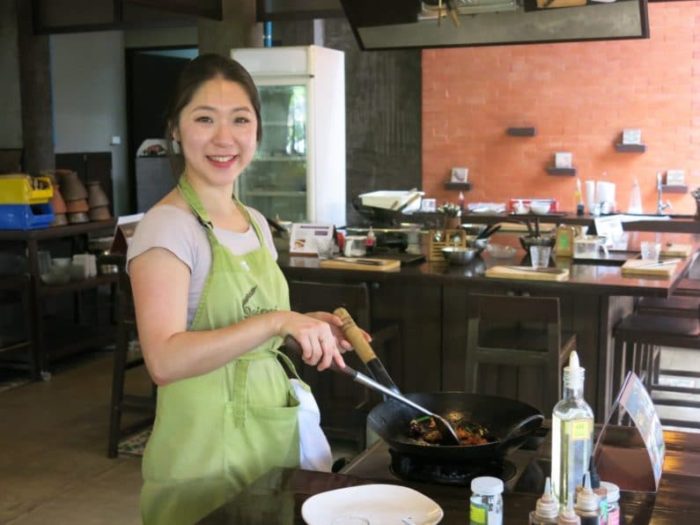
Getting a stir-fry right takes practice. Heat, timing, and the order you add ingredients all matter.
I kept working toward the flavors and textures I remembered from home. Along the way, I learned how to make chicken breast tender and cook vegetables so they keep their bite.
That experience shapes how I teach. I break down the steps and explain what to look for so you can get those results in your own kitchen.
My chicken cabbage stir-fry and guide to velveting chicken put those lessons into practice.
Before the blog, there was piano
I started piano at four and earned a master’s degree in Piano Performance from Manhattan School of Music. After a year of doctoral studies at Boston University, I wanted to explore other paths.
I later worked in corporate and higher education roles and earned a master’s in Higher Education Administration from Teachers College, Columbia University.
I still love music and art. Learning something new has always been part of what keeps me curious.
Why I started I Heart Umami
During my busy working years in New York City, dinner sometimes didn’t happen until 10 p.m. I wanted to feel better and make meals that still tasted like the food I grew up eating.
My husband introduced me to Paleo. Recreating Taiwanese and Chinese dishes with different ingredients became a creative challenge—and the beginning of I Heart Umami.
Over time, I became less strict about Paleo in my own kitchen. When I surveyed my readers, many told me they were here because they loved the flavors, whether or not they followed a particular diet. That helped shape where I took the blog next.
Today, I share Taiwanese, Chinese, and other Asian dishes that keep authentic flavors at the heart of the meal, with modern, simplified methods for busy home cooks. You’ll find gluten-free adaptable options, too.
Flavor matters most to me. The part I love is finding a practical way for you to recreate those flavors at home, with ingredients you can find and instructions you can follow.
I develop every recipe on the site, testing for flavor, texture, and a method you can repeat at home. Writing Asian Paleo with The Countryman Press taught me to think through each recipe from another cook’s point of view. I bring that same care to the blog and continue improving recipes with your questions and feedback.
A few Taiwanese dishes to cook with me


- Taiwanese beef noodle soup: Tender beef, chewy noodles, and a rich, comforting broth.
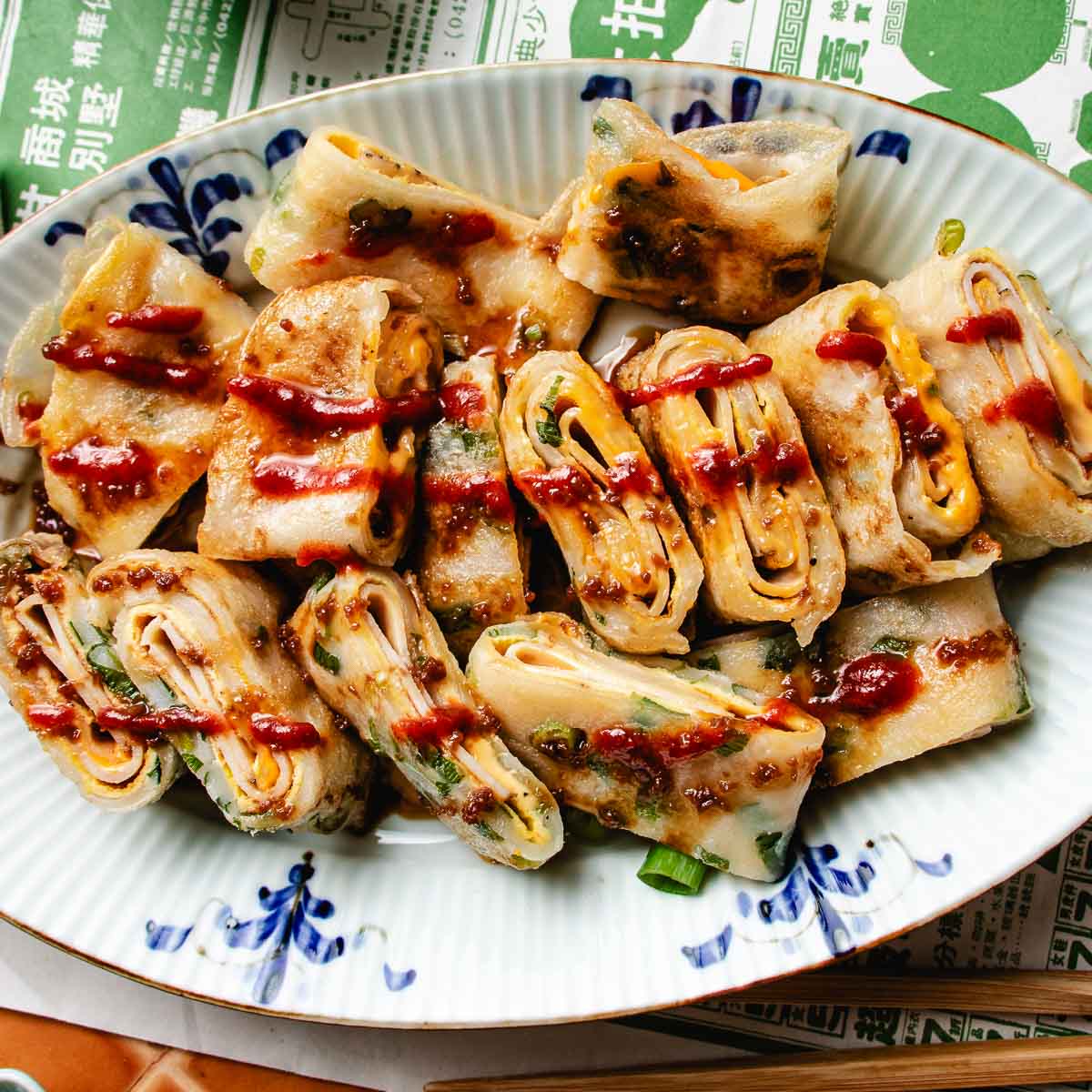
- Dan Bing: A Taiwanese egg pancake and one of my favorite breakfasts.
- Din Tai Fung–style shrimp fried rice: A restaurant favorite made approachable for home cooks.
- Din Tai Fung–inspired cucumber salad: Crisp, refreshing cucumbers to serve alongside your meal.
Connect with me
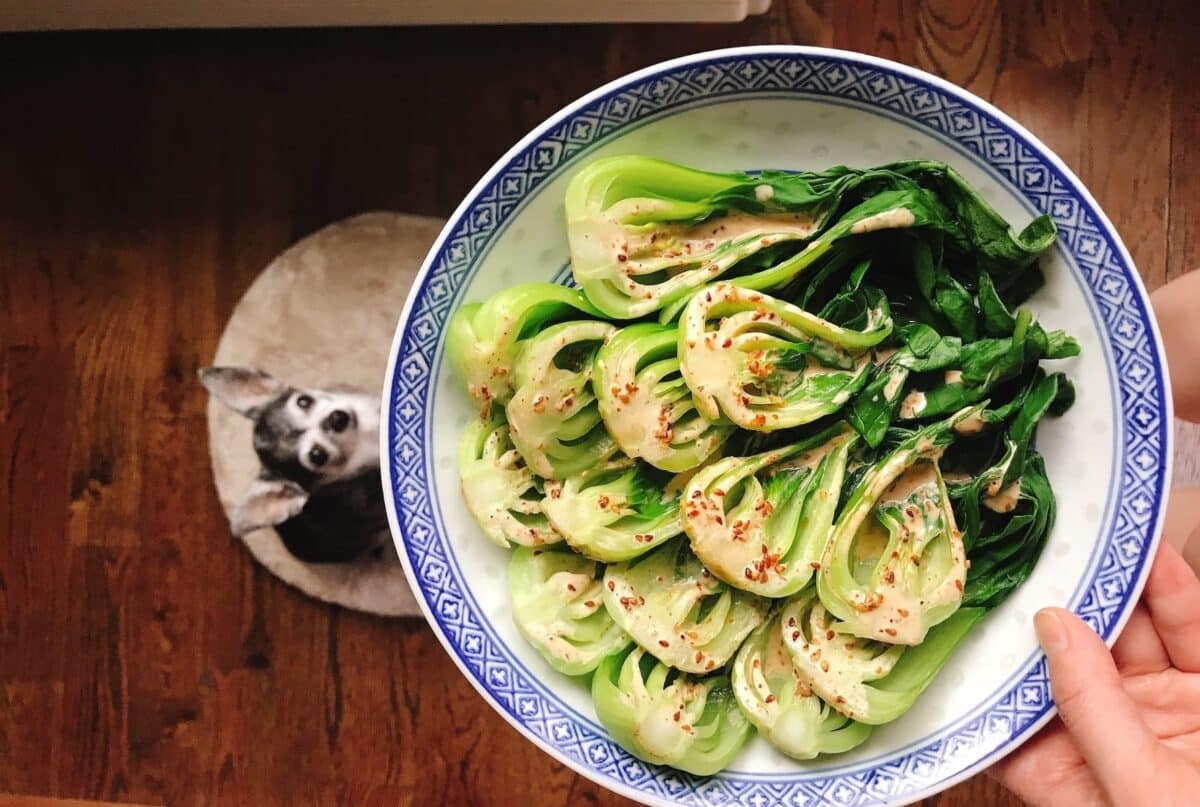
Outside the kitchen, I share my life with my husband, Nate, and our chihuahua, Molly.
Join my newsletter for new recipes and dinner ideas, or cook along on Instagram and YouTube.
Have a recipe question? Leave a comment on that recipe so other cooks can learn from the answer, too. For other inquiries, email hello@iheartumami.com.
About I Heart Umami
I Heart Umami helps everyday home cooks make Taiwanese, Chinese, and other Asian dishes with confidence. Explore more than 600 recipes, practical cooking guides, and gluten-free adaptable options.